
- Event
Youth Energy Take Center Stage at Africa Food Systems Forum
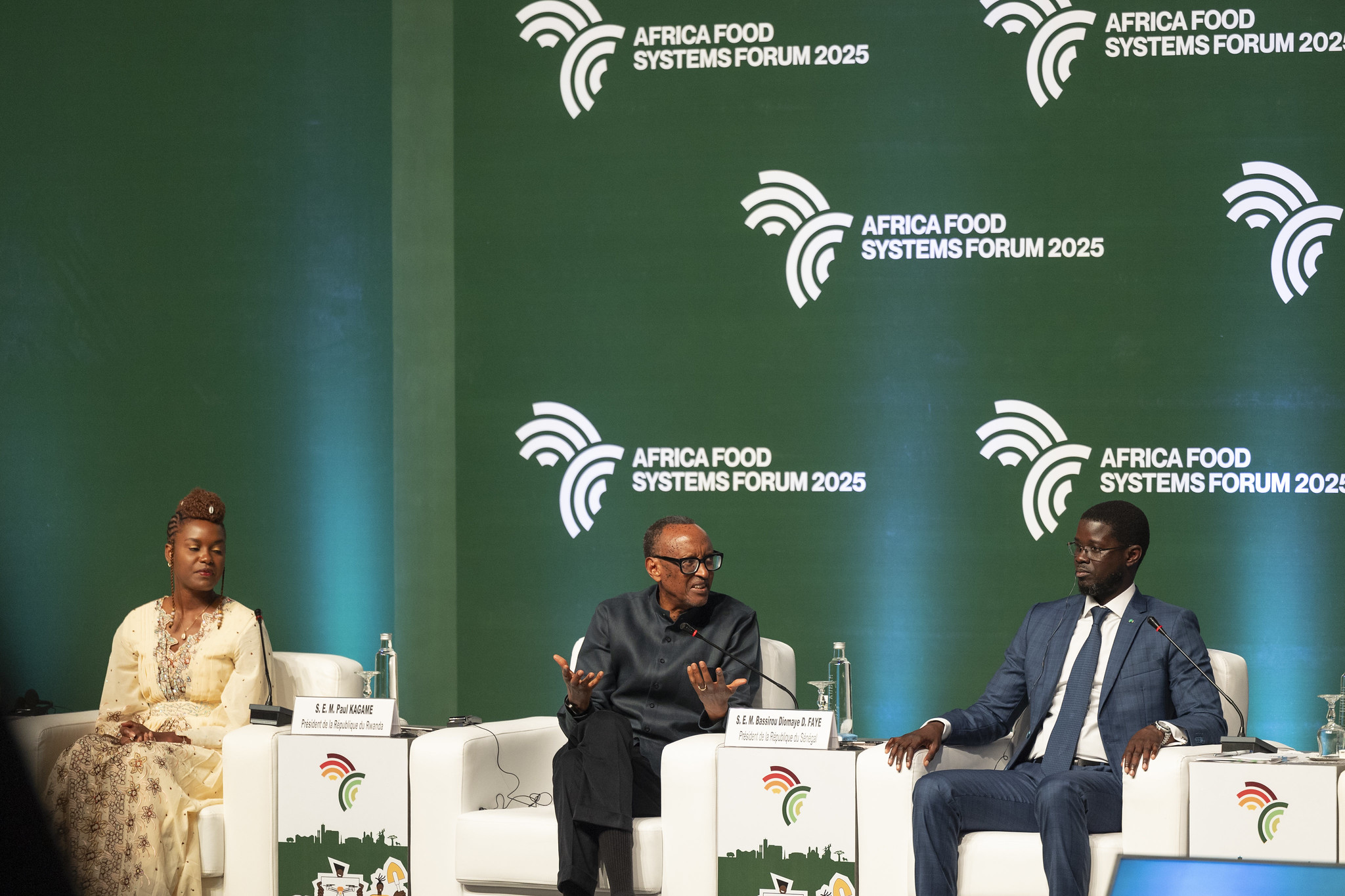
Dakar, Senegal – From the corridors of parliament to the open forums of civil society, youth voices dominated the Africa Food Systems Forum (AFSF) 2025, held in Dakar from 31 August to 5 September. Against the backdrop of the newly launched Africa Food Systems Report 2025, the message was unmistakable: Africa’s food future must be shaped and driven by its young people.
With nearly 60% of Africans under the age of 25, the stakes could not be higher. As the report highlights, “Africa’s youth population is the fastest growing in the world […] Creating youth-led viable, dignified employment across the value chain is not only an economic necessity but also a political and social imperative”
A New Energy in Dakar
Participants noted that this year’s Forum felt different. A vibrant youth presence electrified discussions across the parliamentary, civil society, and farmers’ fora. For the first time, a dedicated civil society forum ran alongside the official program, signaling growing momentum from non-state actors.
The Policy Brief: A 10-year Parliamentary call to action for agrifood systems transformation in Africa by the Africa Food Systems Parliamentary Network (AFSPaN) was launched, sparking dialogue on accountability. Remarkably, parliamentarians themselves acknowledged the need for a shift: for the first time, they declared they want to be held accountable for their commitments. This renewed commitment to action resonated with young activists pressing for structural change.
Mr. Claver Gatete of the UN Economic Commission for Africa framed the urgency bluntly: “the young population is huge and yet there is no employment.” He called for “deliberate investment in youth interventions” and insisted that youth must be “placed at the heart of this implementation.”
Jobs, Innovation, and Resilient Futures
Agriculture remains both Africa’s greatest challenge and opportunity. IFAD reminded participants that “10 million new youth come into the food system job market every day”, showing the scale of the employment imperative.
For Lord Collins of Highbury of the UK’s Foreign, Commonwealth, and Development Office, the pathway forward lies in empowerment: “Harness the youth to build a better future for the continent.”
That call was echoed by His Excellency Moses Vilakati of the African Union Commission, who highlighted youth as “essential for driving resilient futures.” Vilakati linked job creation to the Kampala Declaration’s transformation agenda, positioning youth as Africa’s greatest resource not just for feeding itself but for “feeding the world”.
Forging Stronger Partnerships
This year’s Forum also deepened ties between the UN Food Systems Summit (UNFSS) Hub and civil society networks, aiming to bridge parallel discussions that have too often run in isolation. Bilateral engagements hinted at a stronger commitment to joint action, a promising sign for inclusive governance.
Meanwhile, IFPRI’s ongoing research spotlighted youth unemployment trends, reinforcing the urgency of linking agrifood transformation with job creation and skills development. As highlighted in the Africa Food Systems Report, progress in agricultural output has not yet translated into equitable opportunities. Too many young Africans remain locked in low-productivity work, even as agriculture expands at the fastest rate globally.
From Momentum to Accountability
The atmosphere in Dakar was unmistakably forward-looking. Innovation showcases, spirited youth forums, and open exchanges created a welcoming environment where young farmers, agripreneurs, and researchers shared practical solutions – from digital tools to climate-smart practices.
But the challenge remains systemic. The AFSR cautions that “piecemeal progress will not deliver the transformation Africa needs” and calls for systemic change “anchored in strong governance, regional integration, and inclusive markets, backed by investment in infrastructure and finance.”
The test now is whether leaders and institutions will match the dynamism of Africa’s youth with the resources and political will required. As the Forum concluded, the refrain that echoed through Dakar captured both urgency and optimism: Africa’s young people are ready, not just to participate, but to lead.